Wedding Artwork: A Designer's Guide to This Elegant Design Asset
When you're working on a project that needs to feel personal, romantic, and timeless, the right visual element makes all the difference. Wedding Artwork is a versatile design asset created specifically for this purpose. It's not a single image, but a carefully crafted piece of digital art, optimized for a wide range of uses. Think of it as a foundational visual element for your wedding stationery, social media announcements, website banners, or even printed decor. Its core appeal lies in its blend of classic elegance with clean, modern lines, making it suitable for both traditional and contemporary aesthetics.
Understanding the Visual Language of Wedding Artwork
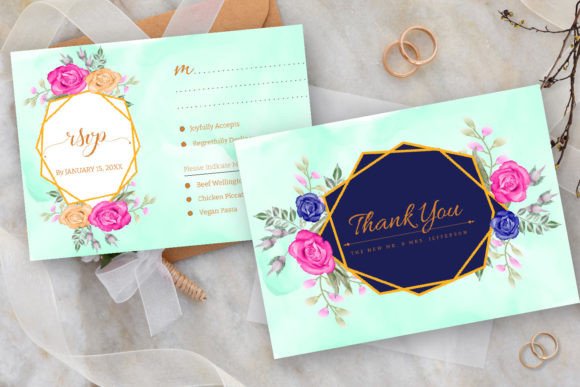
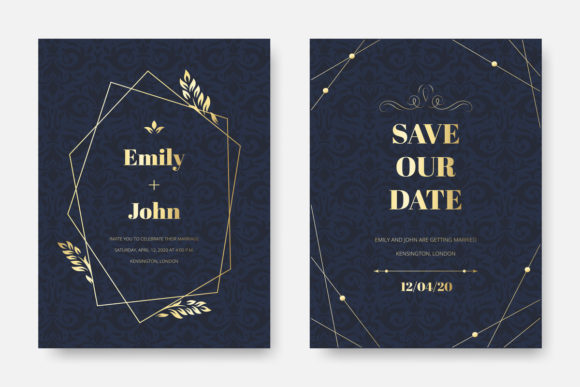
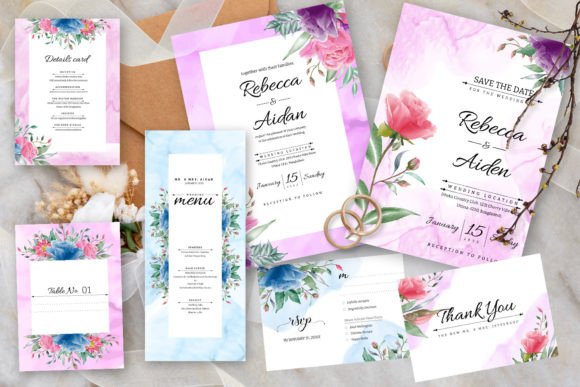
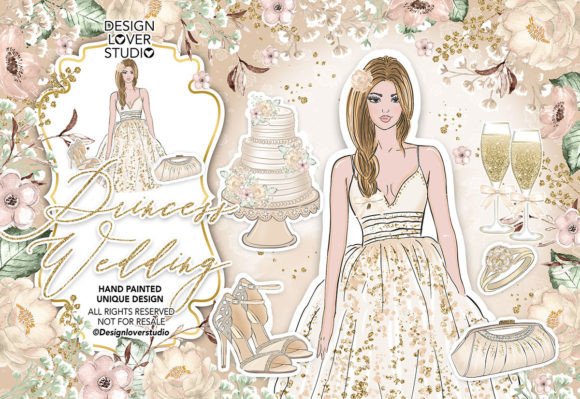
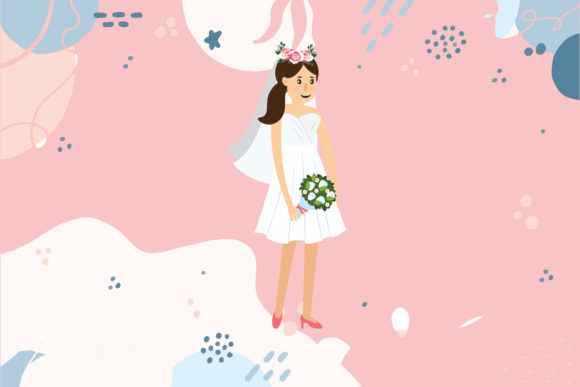
The personality of this artwork is one of refined romance. It typically features delicate line work, floral motifs, and balanced compositions that evoke celebration and commitment. The style avoids being overly ornate or dated, striking a balance that feels fresh yet enduring. This makes it a powerful tool for brand identity for wedding planners, photographers, or boutique event companies. The artwork’s clean background and clear structure mean it won’t clash with your text or other design elements, providing a perfect canvas for your own creativity. It’s a premium font alternative in the sense that it offers professional-grade quality and versatility, much like a high-end typeface would for typography.
A Practical Breakdown: File Formats for Every Workflow
The true value of a design asset like this lies in its usability. Wedding Artwork is delivered in six distinct file formats, each serving a specific purpose in the design and production pipeline. This isn't just about having options; it's about streamlining your workflow and ensuring the asset performs perfectly whether you're a graphic designer using professional software or a small business owner editing in a simpler application.
- AI File (Adobe Illustrator): The master vector file. This is for designers who need to modify every aspect of the artwork—scale elements infinitely without quality loss, change colors, or integrate it into a larger logo design or packaging design.
- EPS File: A widely compatible vector format. Ideal for sending to print shops or using in other professional software like CorelDRAW. It maintains the editability of the vector paths.
- SVG File: The go-to for web design. SVGs are lightweight, scalable, and look crisp on any screen resolution. Perfect for website headers, email signatures, or interactive digital invitations.
- DXF File: Essential for crafters and makers. This format is optimized for cutting machines like Cricut or Silhouette, allowing you to create physical items such as vinyl decals, paper cutouts, or engraved pieces.
- JPG File: The universal raster format. Best for quick use in presentations, social media posts, or as a background image where a small file size and broad compatibility are key.
- PNG File: Features a transparent background. This is crucial for layering the artwork over photos, colored backgrounds, or other design elements in social media graphics or digital scrapbooking.
Every format is provided at a generous 1920 px x 1280 px canvas size, ensuring you have ample resolution for both digital displays and moderate-sized print projects. This standardized size also makes it easier to plan layouts, knowing the asset will maintain its proportions and quality.
Where This Design Asset Truly Shines
Think beyond the obvious. While Wedding Artwork is perfect for wedding invitations and save-the-dates, its applications are broader. For editorial design, it can add a thematic header to a magazine spread about relationships or lifestyle. In digital marketing, it can serve as a branded visual for a florist's Instagram story or a wedding venue's Facebook ad. Content creators and bloggers can use it to create consistent, beautiful featured images for articles on romance, events, or home décor.
The artwork’s consistent style helps build visual hierarchy and brand recognition. Using the same asset across your website, social media, and printed materials creates a cohesive look that audiences subconsciously register as professional and trustworthy. This consistency is a cornerstone of effective modern typography and graphic design strategy.
Making It Your Own: A Guide to Editing and Application
The promise that this design is "easy to use and can be edited as needed" is where its practical power lies. Here’s how to approach it:
- Evaluate the Fit: Before you start, look at the artwork's style. Does its level of ornamentation match your project's tone? A minimalist brand might use it sparingly as a detail, while a romantic brand could make it a central feature.
- Test Font Pairings: This artwork will often sit alongside typography. Pair it with a clean sans serif font for a modern contrast, or a classic serif font for a more traditional feel. A script font can be used for accents, but ensure it remains readable. The goal is harmony, not competition.
- Leverage the Formats: Use the AI or EPS file for your core branding and logo work. Take the SVG or PNG for your web design and digital assets. Utilize the DXF for physical products and the JPG for quick, non-editable placements.
- Consider Commercial Use: Always review the license. Most reputable sources for design assets offer clear commercial font and artwork licensing, allowing you to use the work in client projects, merchandise, and marketing materials without legal ambiguity.
In practice, a small business owner could take the SVG file, adjust its color to match their brand palette in a web editor, and use it as a website header. A crafter could use the DXF to cut a beautiful design from cardstock for handmade greeting cards. A marketer could layer the PNG over a photo in a social media post to create an elegant announcement. The key is that the asset adapts to your skill level and tools, not the other way around.
Ultimately, Wedding Artwork is more than just a pretty picture. It’s a strategic design component. Its value is unlocked when you understand its visual personality, select the right file format for your task, and thoughtfully integrate it into your project’s visual story. By doing so, you save time, ensure a professional result, and create a more engaging and memorable experience for your audience.