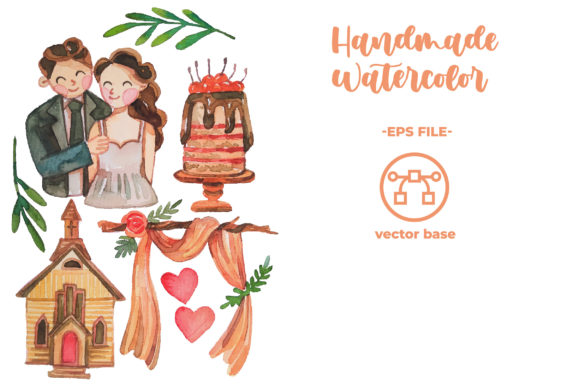
Watercolor Wedding Elements: A Designer’s Guide to Vintage Digital Art
The Charm of Converted Watercolor Textures
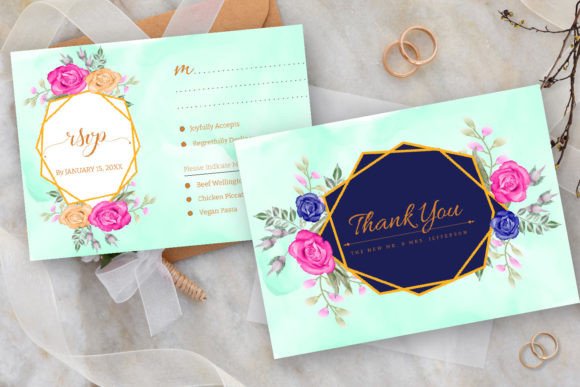
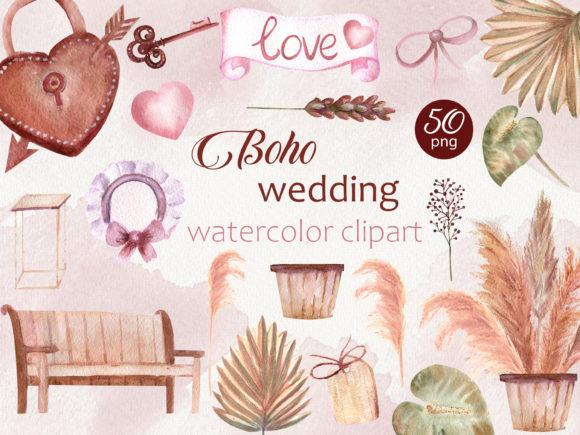
There is a specific kind of magic in watercolor that digital art often struggles to replicate. The bleed of pigment into wet paper, the granulation of the paint, and the soft, organic edges create a texture that feels alive. When we talk about Watercolor Wedding Elements, we are usually referring to a collection of florals, borders, and motifs that possess this artistic, hand-painted quality. However, the real innovation in modern design assets lies in the conversion process. Taking these fluid, analog images and tracing them into vector digital forms—specifically an EPS file based on Adobe Illustrator CS6—bridges the gap between traditional art and modern scalability.
Unlike standard raster images (like JPGs or PNGs), which pixelate when enlarged, these vector elements maintain their integrity at any size. This is crucial for logo design and packaging design, where a small motif might need to fit on a business card or scale up to a billboard. The "Classic, retro, original" aesthetic mentioned in the asset description suggests a style that avoids the hyper-perfect, sterile look of generic clip art. Instead, it offers a nostalgic, artisanal vibe that resonates deeply with audiences looking for authenticity.
Visual Personality: Where Classic Meets Modern Typography
The visual character of Watercolor Wedding Elements is defined by its imperfections. In the world of modern typography and design, we are seeing a shift away from rigid geometric perfection toward organic shapes. These elements typically feature soft washes of color, mimicking the look of actual paint on paper. Because they have been converted to vectors, they offer a unique advantage: you get the aesthetic of a handwritten font or a script font with the technical precision of a sans serif font.
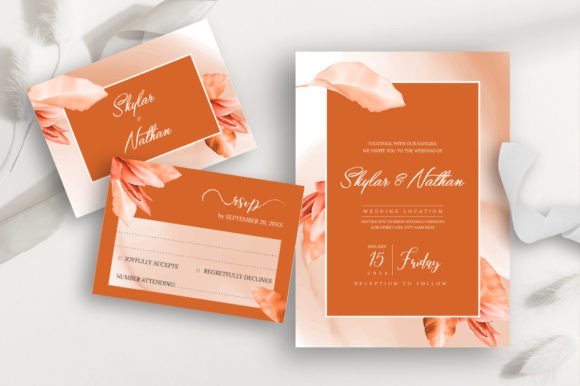
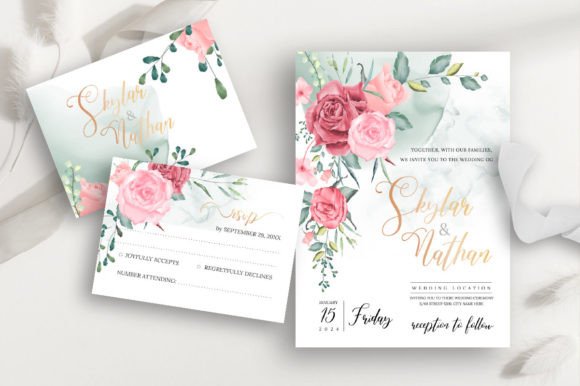
This style works exceptionally well for projects that need to convey warmth and intimacy. Think of wedding invitations, of course, but also consider the broader applications in brand identity. A boutique bakery, a yoga studio, or a high-end florist might use these elements to soften their visual language. The "retro" aspect implies a color palette and composition that might echo vintage botanical prints, making it a perfect companion to a serif font with classic proportions. It is a premium font and asset category because it requires high-end software to convert the subtle variations of watercolor into clean vector paths without losing the "soul" of the original painting.
Strategic Applications for Creatives and Businesses
For designers, entrepreneurs, and content creators, the utility of these assets goes far beyond simple decoration. When you incorporate Watercolor Wedding Elements into your workflow, you are adding a layer of texture that can guide the viewer's eye and establish a visual hierarchy.
- Editorial and Web Design: In web design or editorial design, watercolor vectors make excellent section dividers or background textures. They add depth without overwhelming the text. Because they are vectors, they load efficiently and can be recolored instantly within Illustrator to match your specific brand palette.
- Social Media Graphics: For social media graphics, where attention spans are short, a soft watercolor element can stop the scroll. It adds a human touch to digital platforms. Using these elements as frames for text or as accent pieces next to a bold display font creates a balanced composition that feels professional yet approachable.
- Packaging and Print: For physical products, the texture of watercolor suggests quality and care. It is a staple in the crafting and hobbyist community for creating stickers, planner dashboards, and sublimation prints. For small business owners, utilizing these vectors ensures that your print materials look crisp, regardless of the resolution.
Practical Guidance for Implementation
Working with vector watercolor requires a slightly different approach than working with solid shapes. Here is how to get the most out of your design assets:
Evaluating Project Fit and Licensing
Before downloading, consider the personality of your project. Does your brand voice lean toward the formal and traditional, or is it whimsical and bohemian? Watercolor Wedding Elements generally fit the latter, though they can be styled to look elegant in formal contexts. Always check the commercial licensing. If you are a marketer or publisher creating assets for a client, you need to ensure the license covers commercial use to avoid legal headaches down the road.
Mastering Font Pairings
The success of these elements often depends on the typography you pair them with. Because watercolor is soft and irregular, it pairs beautifully with fonts that have clean, defined edges. A geometric sans serif font provides a modern contrast, while a structured serif font leans into the classic, vintage aesthetic. Avoid pairing these elements with overly complex script fonts unless you are very careful with layering; you want the text to remain legible. The goal is readability—the watercolor should frame the message, not compete with it.
Color and Composition
Since you are working with an EPS file, you have full control over the color. Don't just accept the default palette. Adjust the hue and saturation to match your brand identity. If you are creating a cohesive look, use the eyedropper tool to pull colors from the watercolor elements and apply them to your text or background shapes. This creates a harmonious font pairing and color story that feels intentional and curated.
The Value of Vector Conversion
The distinction between a raster watercolor image and a vector one is the difference between a disposable asset and a long-term investment. Raster images are static; vectors are dynamic. By choosing vector-based Watercolor Wedding Elements, you are future-proofing your designs. You can scale, recolor, and manipulate these assets to fit any medium—from a tiny favicon to a large-format banner—without ever losing quality. This flexibility is essential for anyone serious about building a consistent and professional visual presence.