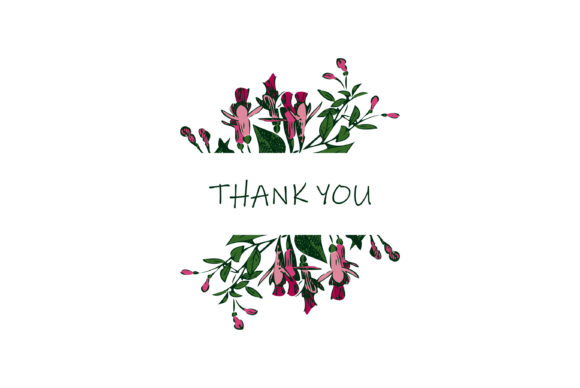
Styling Your Stationery with Wedding Invitation Card Garland Fuchsia
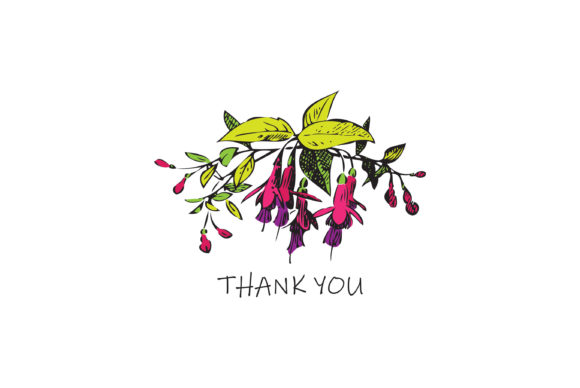
In the world of floral design assets, color is often the first element that catches the eye, but structure is what holds the composition together. The Wedding Invitation Card Garland Fuchsia vector illustration offers a masterclass in balancing both. This specific design resource is not merely a random collection of botanicals; it is a carefully curated arrangement featuring vibrant fuchsia flowers, deep purple accents, and rich green stems and leaves, all set against a pristine white background. For designers and creatives, this asset represents a bridge between traditional botanical illustration and modern, clean branding requirements.
Visually, the personality of this design is defined by its contrast. The fuchsia flowers act as the focal point, providing a burst of energy and romance, while the purple and green foliage grounds the image, offering depth and natural texture. Because the background is stark white, the illustration functions as a versatile "cutout" asset. It can be layered over different backgrounds, used to frame text, or wrapped around the edges of a digital or physical product. This makes it an incredibly practical addition to a designer's toolkit, suitable for projects ranging from wedding stationery to high-end product packaging.
Understanding the Visual Appeal and Versatility
When we look at the specific style of the Wedding Invitation Card Garland Fuchsia, we are looking at a vector illustration. This is a critical distinction for professional use. Unlike raster images (like JPEGs), vector files can be scaled infinitely without losing resolution. Whether you are designing a small logo or a massive poster print, the lines remain crisp and the colors remain solid. This scalability makes it a premium asset for commercial work where output sizes vary.
The "garland" structure implies movement and flow. It is designed to frame content rather than just sit in the center of a page. This inherent structure makes it ideal for specific design challenges:
- Logo Design: Using the floral elements to circle a brand name, creating an instant association with nature, elegance, or celebration.
- Editorial Design: Wrapping text in a magazine layout or using the garland as a header graphic for a blog post about wedding planning or floral arrangements.
- Packaging Design: Applying the illustration to the lid of a box, a jar label, or a sleeve for a product. The fuchsia and purple tones work exceptionally well for beauty products, artisanal foods, or boutique stationery.
The color palette—fuchsia, purple, and green—is particularly versatile. It moves away from the pastel "baby" look sometimes associated with florals and leans into a more saturated, confident aesthetic. This makes it suitable for brands that want to appear vibrant and modern, rather than just traditional.
Strategic Applications for Branding and Marketing
For entrepreneurs and small business owners, visual consistency is the bedrock of brand identity. The Wedding Invitation Card Garland Fuchsia can serve as a cornerstone asset for a specific campaign or an entire brand visual system. Because the illustration is detailed and high-quality, it conveys a sense of professionalism and investment in the brand's appearance.
Consider the impact on social media graphics. In a crowded feed, high-contrast floral elements stop the scroll. You can use the garland to create a consistent "frame" for your Instagram quotes, announcement posts, or promotional banners. This repetition builds brand recognition; your audience begins to associate those specific colors and shapes with your content before they even read the text.
Furthermore, this asset is not limited to weddings. While the name suggests nuptials, the botanical style is timeless. It works beautifully for:
- Event Branding: Gala invitations, garden party flyers, or fundraiser posters.
- Digital Products: E-book covers for gardening guides, planners, or lifestyle coaching materials.
- Web Design: As a decorative border on a website homepage or as a background texture for a "Coming Soon" page.
The key is to treat the vector not just as a picture, but as a flexible design element. You can isolate specific flowers from the garland to create pattern fills, or use the leafy stems as decorative dividers between paragraphs of text. This modular approach maximizes the value of the asset.
Integrating the Garland into Modern Typography
A common pitfall in floral design is allowing the illustration to overpower the message. When using the Wedding Invitation Card Garland Fuchsia, typography choice is paramount. Because the illustration is intricate and colorful, you generally want to pair it with typefaces that offer clarity and contrast.
A sans serif font often works best for body text or smaller details, providing a clean, modern counterpoint to the organic shapes of the garland. For headlines or monograms within the garland, a serif font can add a touch of classic elegance, or a script font can enhance the romantic feel—provided the script is legible and not overly ornate. Avoid pairing this busy illustration with a handwritten font that is too scratchy or thin, as it may get lost visually.
When placing text inside the garland, pay attention to the negative space. The white background of the vector allows you to see exactly where the "center" of the design is. Ensure your text has enough breathing room. If the flowers are too tight against the letters, the design will feel cluttered. Use the natural curve of the stems to guide the eye toward the most important information.
Practical Implementation and Licensing
Before downloading or purchasing any design asset, including the Wedding Invitation Card Garland Fuchsia, it is essential to understand the technical specifications and licensing terms. For commercial use—such as selling merchandise, using the design in client work, or publishing in paid media—you must ensure you have a commercial license.
Check the file formats provided. A comprehensive asset should ideally include vector formats (like .AI, .EPS, or .SVG) for scalability, as well as high-resolution raster formats (like .PNG with a transparent background) for ease of use in software like Canva or Photoshop.
Finally, test the asset in context. Place it on a mockup of a business card, a tote bag, or a website header before finalizing your design. Look at how the fuchsia interacts with your specific brand colors. If your brand uses a lot of red, the fuchsia might clash. If your brand is cool-toned blue, the fuchsia will pop beautifully. By treating the Wedding Invitation Card Garland Fuchsia as a strategic tool rather than just decoration, you elevate the quality of your visual communication and create a more engaging experience for your audience.